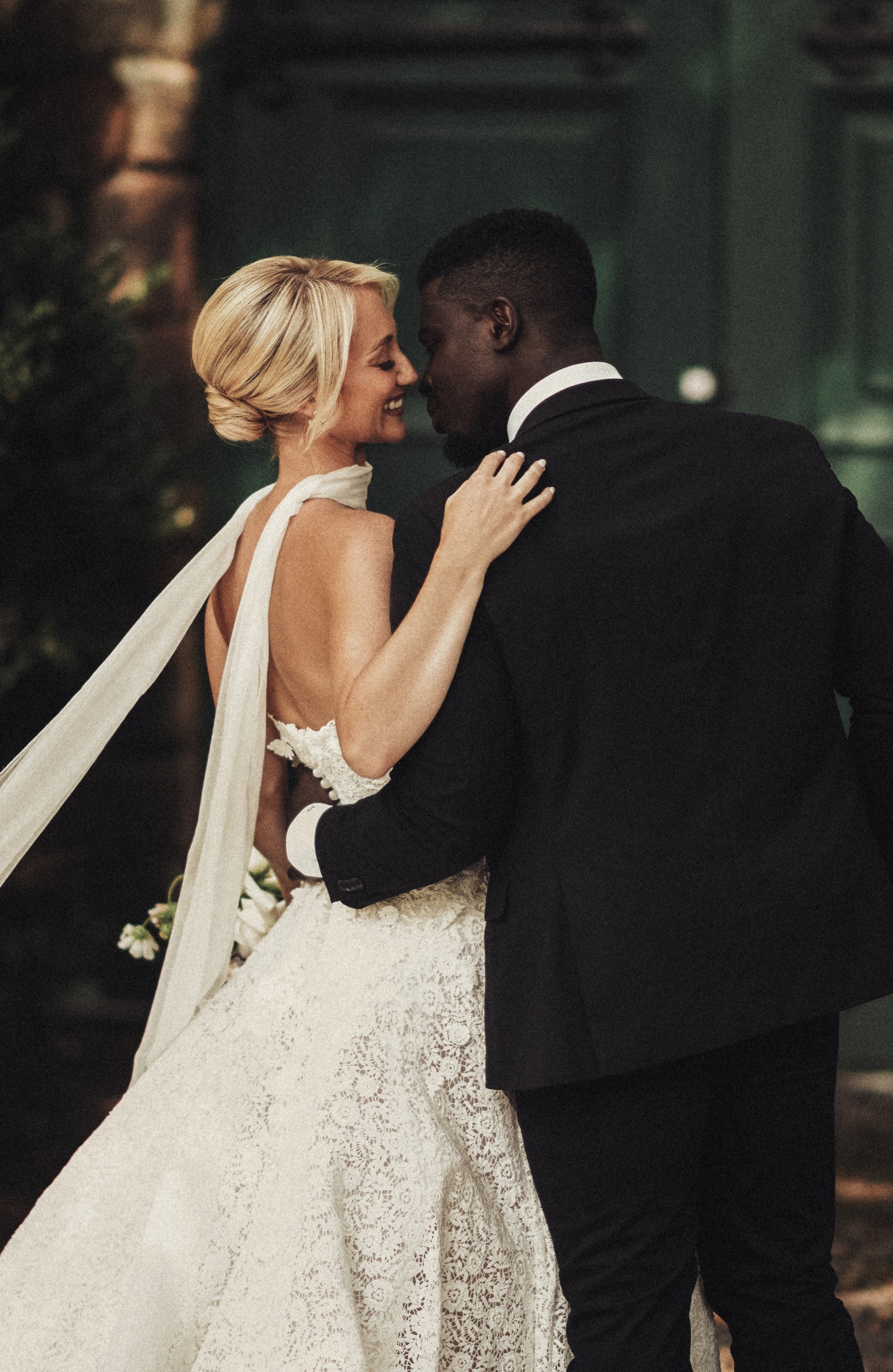
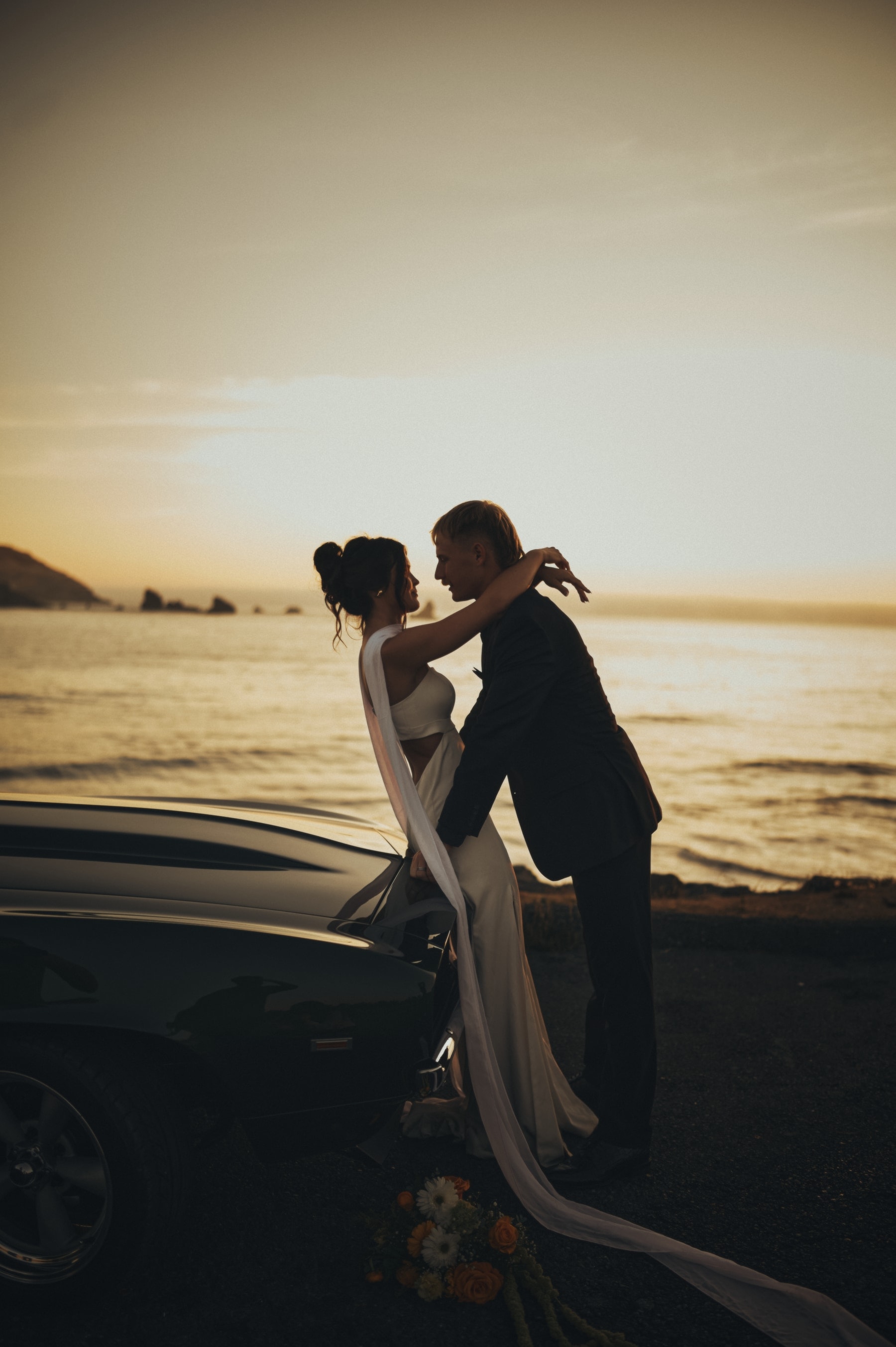
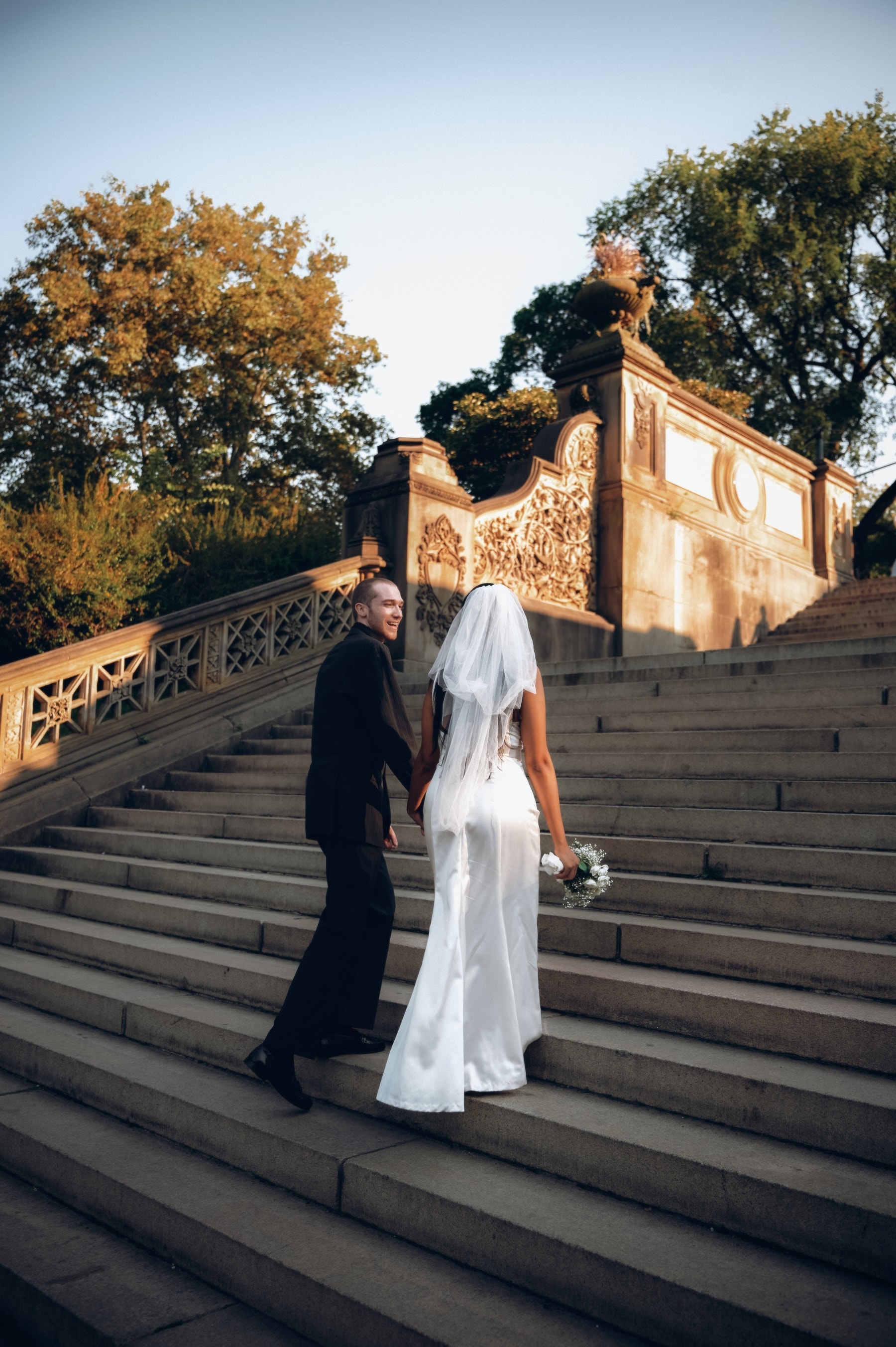
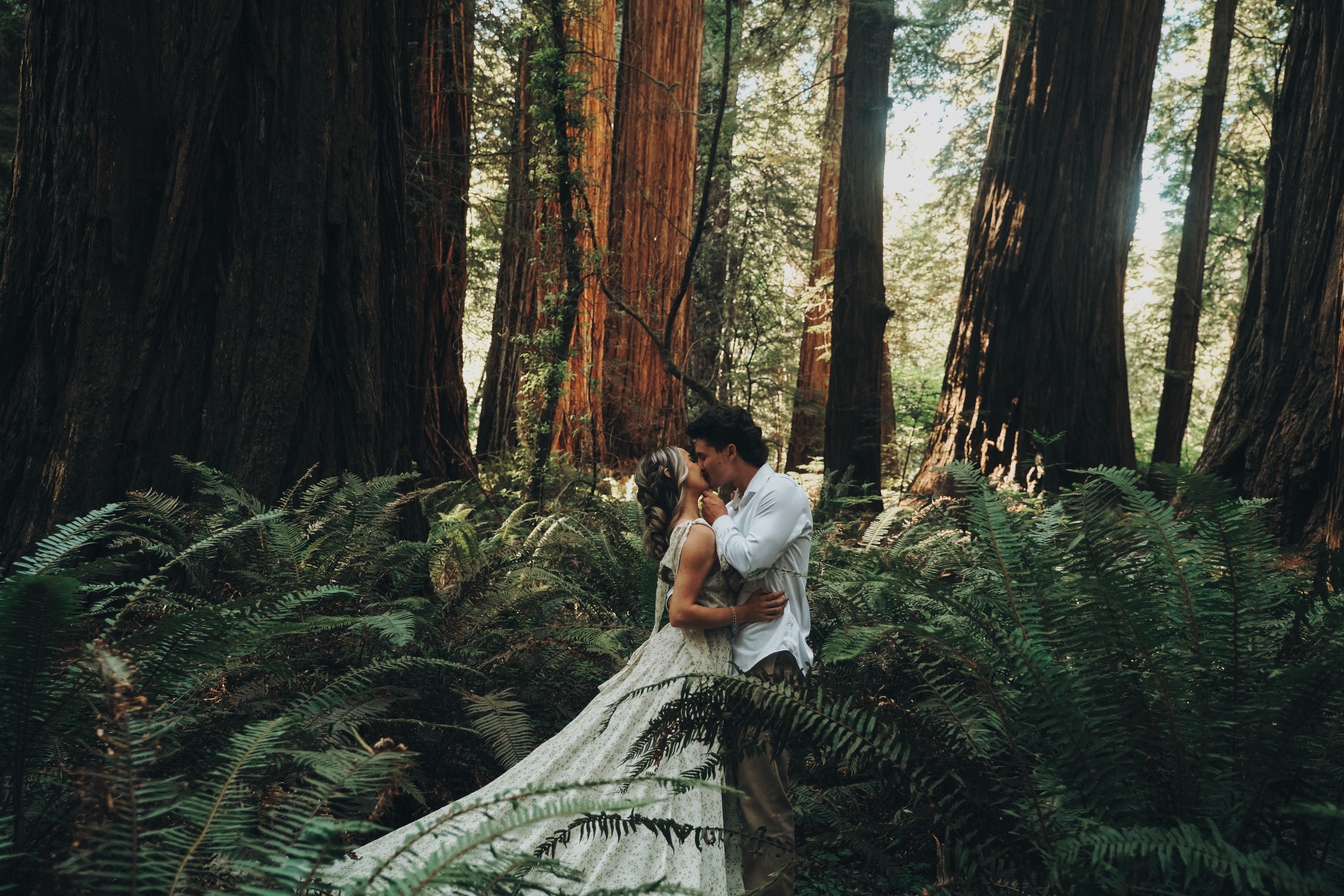
Kyoto rewards the same discipline our film photography does: patience, quiet, and getting up before everyone else. It might be the world's best city for an elopement that feels like a poem — lanterned lanes, temple gardens raked to stillness, and seasons that behave like art direction.
Where we'd shoot
- Arashiyama at dawn
- The bamboo grove is a crowd at 10 a.m. and a cathedral at 6:30. We'd start here — the green-filtered light through bamboo reads beautifully on film — then walk the Katsura riverbank while the mist is still on the water.
- Higashiyama's lanes
- The preserved streets below Kiyomizu — stone steps, wooden machiya fronts, paper lanterns warming up at dusk. Portraits here feel like moving through an old photograph; blue hour is the moment.
- Temple & villa gardens
- Several temples and historic villas host intimate ceremonies or allow arranged photography — moss gardens, raked gravel, maple canopies. Each has its own rules; this is where local planners earn their keep, and we work happily alongside them.
- A machiya dinner
- For the reception: a restored townhouse dinner, low light, lacquer and cedar. Candle-adjacent tungsten light is where our grain-and-warmth look lives.
The seasons, honestly
Early April is sakura — breathtaking and booked years out, with weather that keeps its own counsel. Late November is momiji, the maple season, and arguably better for photography: deeper color, softer light, fewer bridal parties per square metre. June's rainy season is a sleeper pick — wet stone, umbrellas, and the city's colors saturated like slide film.
Planning notes
Kyoto elopements run on early clocks and local relationships: dawn starts beat the crowds at every location worth photographing, and temple photography permissions need arranging well ahead. We'd plan a two-day rhythm — ceremony and gardens one day, city wandering the next — so nothing is rushed and the jet lag works for you at 5 a.m. instead of against you.