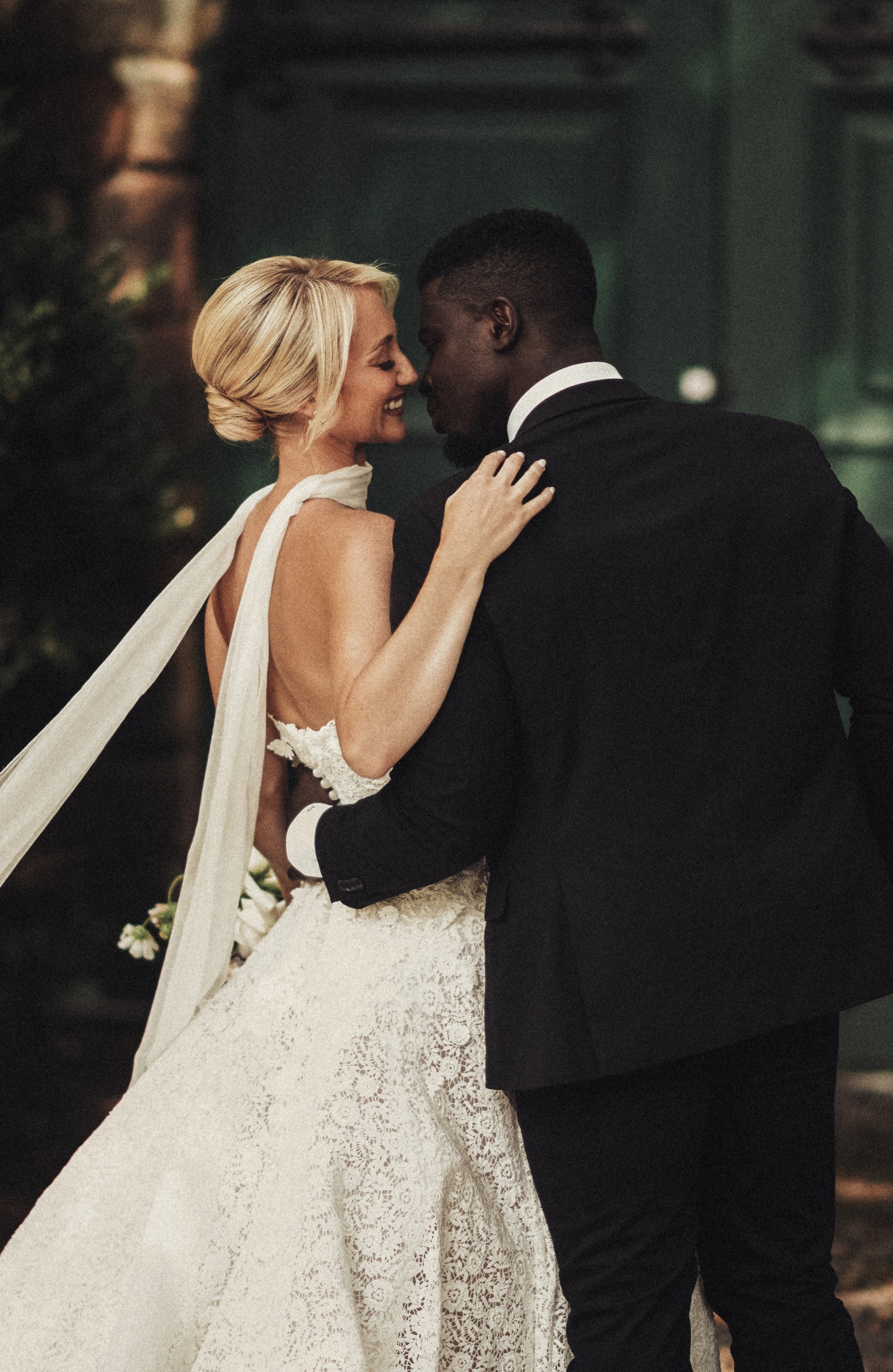
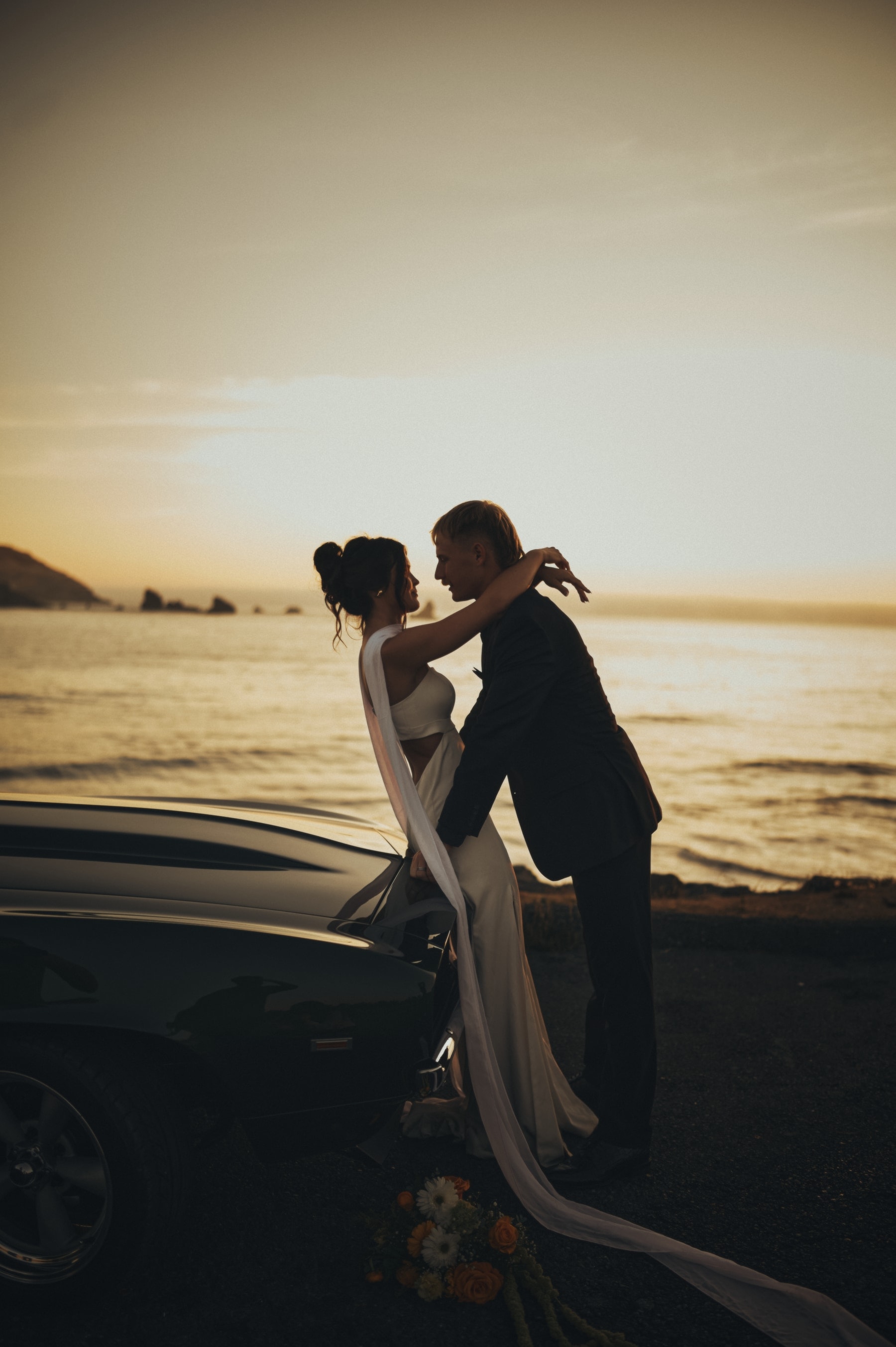
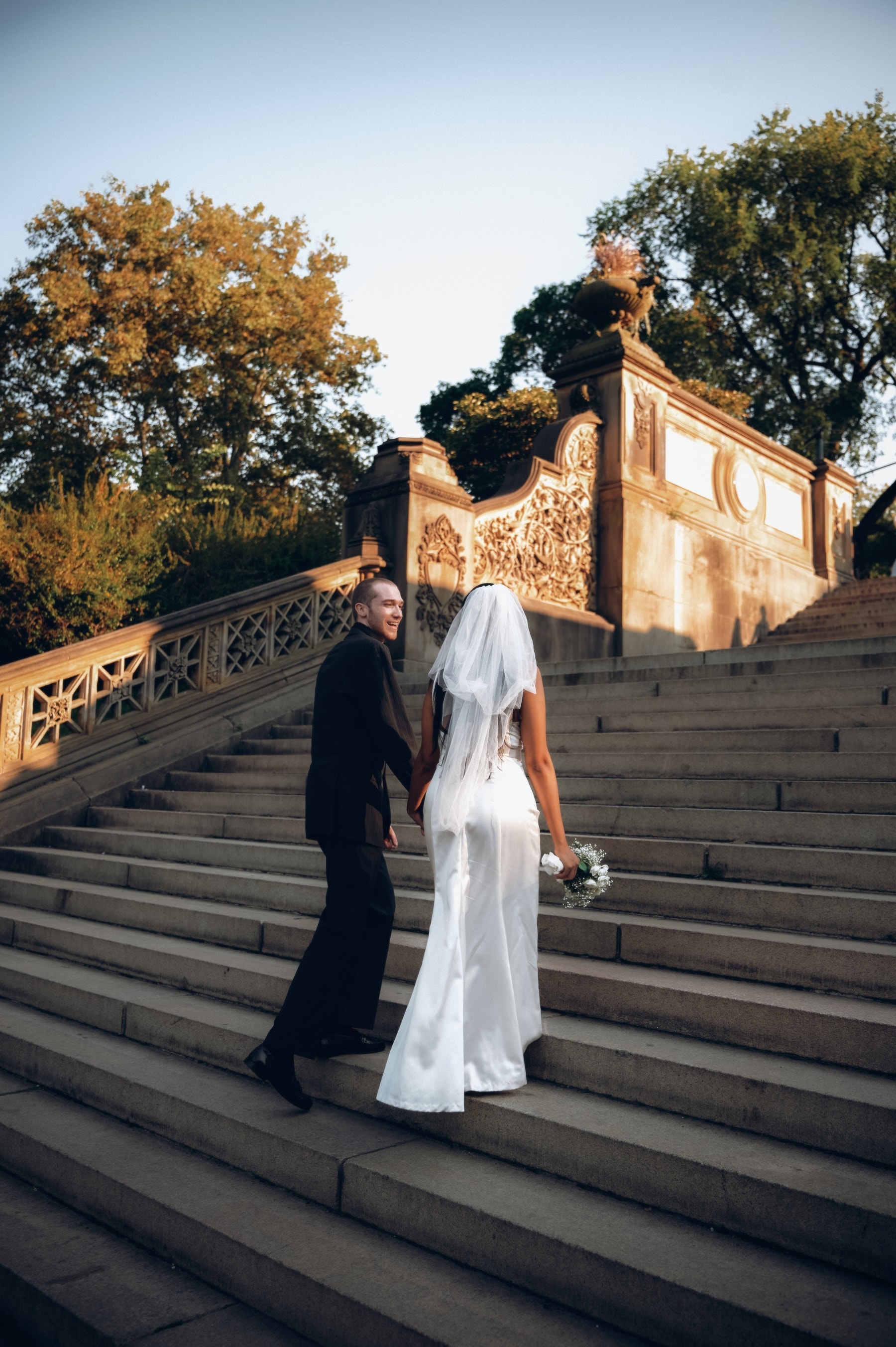
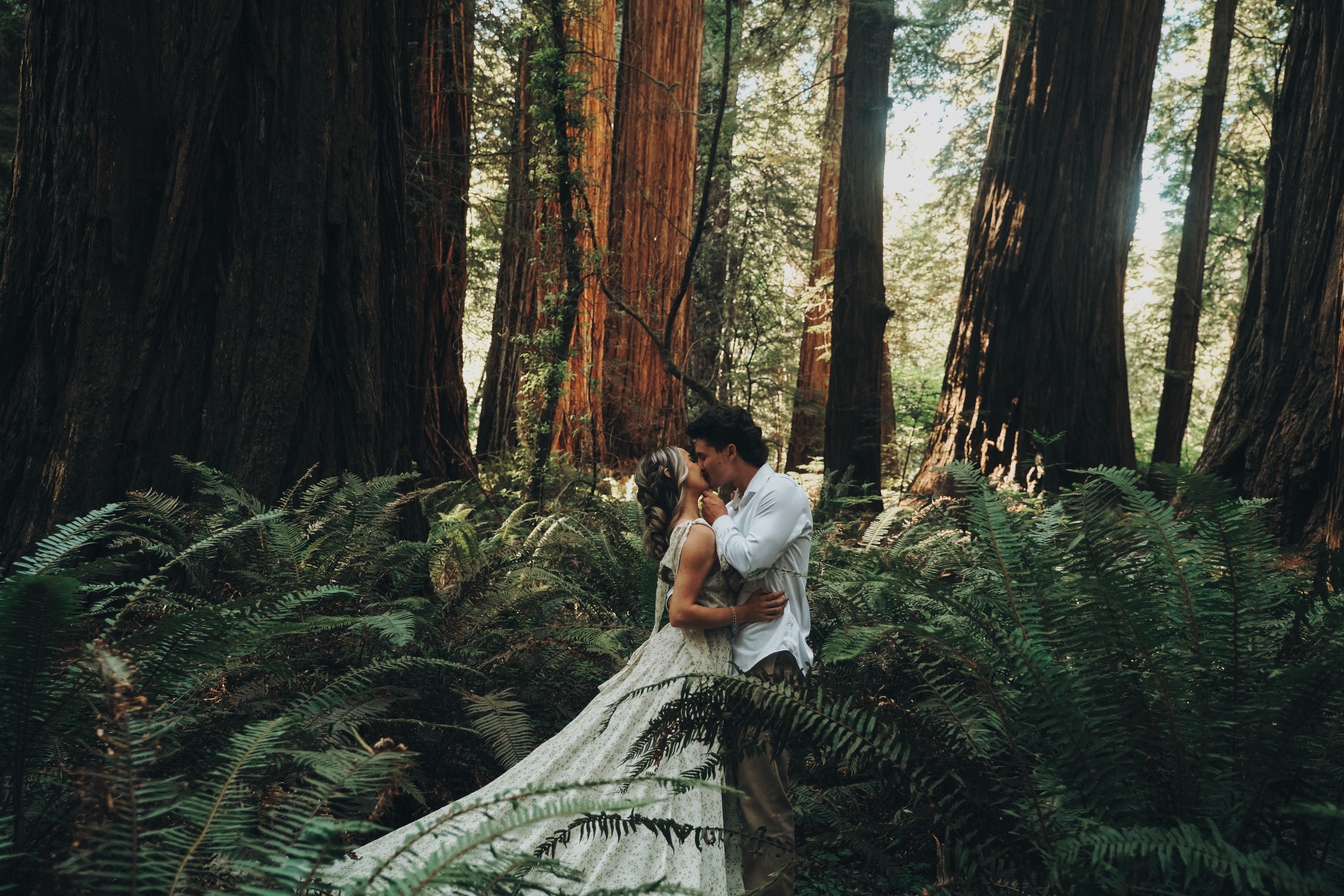
The Amalfi Coast is Italy turned up to theatre: towns stacked down cliffs, the sea a floor of hammered light, and everything — lemons, tiles, bougainvillea — arranged as if a set designer got there first. The photography challenge isn't beauty, it's geometry: the coast is vertical, and the light behaves accordingly.
Where we'd shoot
- Ravello's cliff gardens
- High above the sea, the garden terraces of Ravello's historic villas are the coast's most painterly ceremony settings — umbrella pines, marble balustrades, and a 350-metre drop to blue. Evening up here outlasts the shaded coves below.
- Positano at dusk
- The famous amphitheatre of houses lights up window by window at blue hour. We'd shoot the couple small against the glowing town — the frame every magazine wants — then move to the beach path once the day crowds thin.
- Lemon groves & terraces
- The pergola'd lemon gardens between Amalfi and Minori are the coast's quiet secret — dappled light, fruit like lanterns, and shade that flatters at hours when the open cliffs are harsh.
- On the water
- A wooden gozzo at golden hour, shot boat-to-boat: the cliffs stack behind the couple and the sea does the rest. The coast's answer to Como's Riva ride — and the best value hour in the timeline.
The light, honestly
Cliffs complicate everything: west-facing terraces glow until true sunset while east-facing coves lose the sun by mid-afternoon. Your venue's aspect is the timeline — we'd map its actual last-light hour before fixing the ceremony time. May, June, and September are the windows; September water is warmest and the wedding traffic gentler.
Planning notes
Everything on the coast moves by boat or by stairs — build both into the day and wear the shoes the stairs deserve. We'd arrive a day early to walk the route at ceremony hour, and we'd fight (politely, but firmly) for twenty minutes on the water at dusk. Travel is quoted as one flat line, as everywhere we photograph.